Nourishing Hope: Why Children Must Remain at the Center of Climate Crisis Response
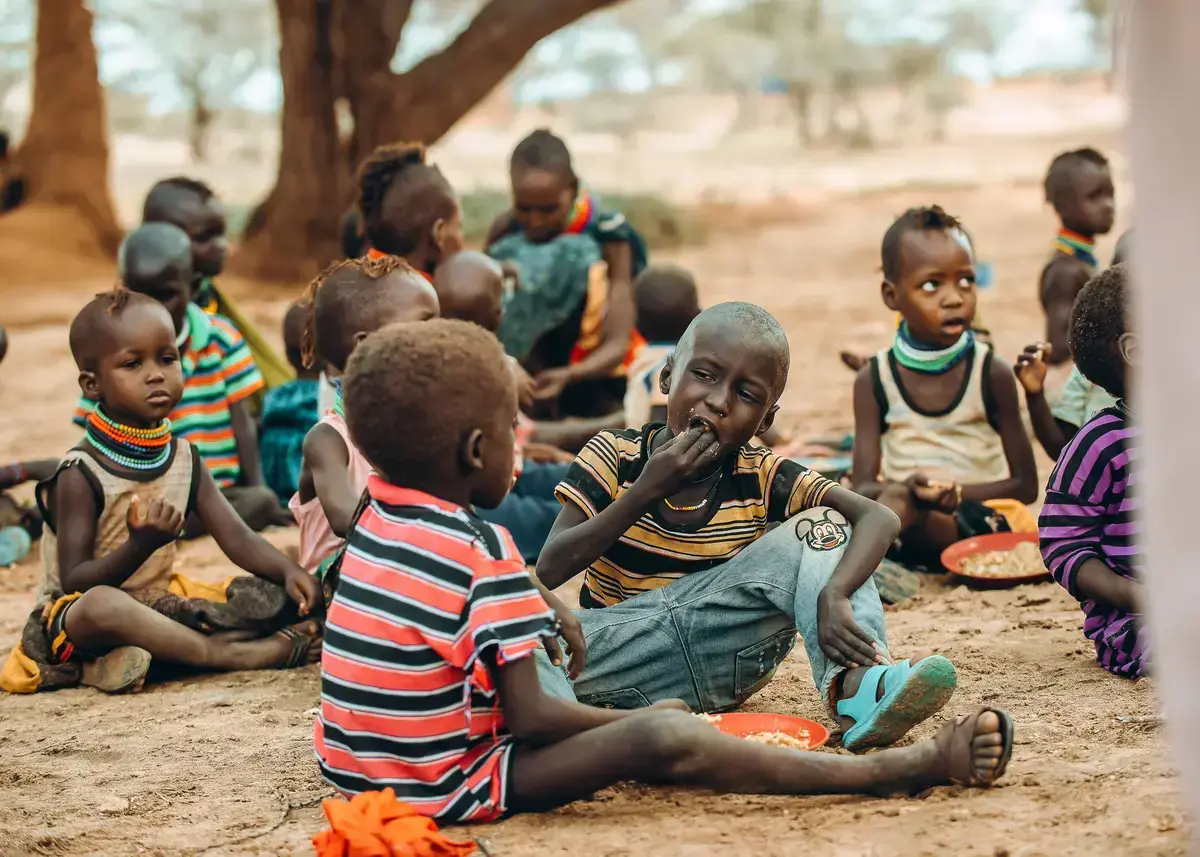
Across the dry landscapes of Turkana County, the effects of climate change are no longer a distant threat they are a daily reality. Prolonged droughts, rising temperatures, and the loss of livestock have pushed many families into food insecurity, leaving children among the most vulnerable to the consequences. For thousands of children in Turkana, access to a nutritious meal can mean the difference between healthy growth and chronic malnutrition. As livelihoods disappear and household incomes decline, families often struggle to provide the balanced diets that children need during their critical years of development. The result is an increased risk of stunting, weakened immunity, poor school attendance, and long-term health challenges. The children in this photograph are beneficiaries of a daily feeding program supported by Convoy of Hope. Through the provision of nutritious meals, the initiative is helping combat hunger and malnutrition among children and their families who have been severely affected by recurring droughts. Beyond filling empty stomachs, these meals provide hope, improve concentration in school, and create an opportunity for children to learn and grow in a safer environment. Humanitarian aid plays a vital role in protecting children during climate-related crises. While emergency food assistance addresses immediate needs, it also serves as an investment in the future of entire communities. Healthy children are more likely to attend school, achieve their potential, and contribute positively to society. As climate change continues to intensify across arid and semi-arid regions, children must remain at the center of every response. They are the least responsible for the crisis, yet they bear some of its heaviest burdens. Governments, humanitarian organizations, donors, and communities must work together to ensure that no child is denied access to food, education, healthcare, and protection because of a changing climate. At Didack Media, we believe in using visual storytelling to amplify the voices of communities affected by humanitarian crises. Through photography and documentary storytelling, we seek to highlight both the challenges and the resilience of children and families navigating the frontlines of climate change. Every image tells a story, and every story has the power to inspire action. Because when we invest in children, we invest in hope, resilience, and a more sustainable future for all.
Comments
No comments yet. Be the first to comment.